
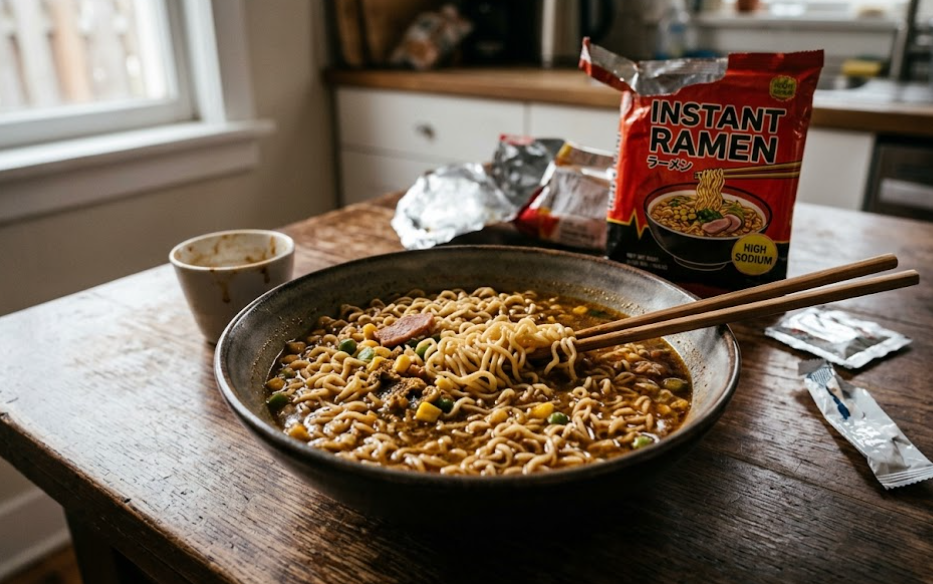
Eating noodles has become a common habit in many households due to convenience, low cost, and quick preparation. However, regular consumption of noodles can affect overall health in multiple ways. This guide explains the nutritional concerns linked with noodles and why reducing their intake can support better long term health and balanced nutrition in daily life.
Why Should You Stop Eating Noodles
Stopping or reducing noodle consumption is important because most commercial noodles are made from refined flour, high sodium flavoring agents, and artificial preservatives. These ingredients provide high calories but very low nutritional value. Regular intake can contribute to weight gain, poor digestion, and increased risk of metabolic and cardiovascular problems. A balanced diet with whole foods is a healthier alternative.
Hidden Health Risks of Noodles
Noodles are widely consumed, but they contain several hidden health risks that are often ignored. The processing methods remove essential nutrients and replace them with additives that extend shelf life but reduce nutritional quality. Regular intake can gradually affect body functions and overall wellness.
High Sodium Impact
Most instant noodles contain very high sodium levels in seasoning packets. Excess sodium can increase blood pressure and strain the heart. Over time, this can contribute to hypertension and fluid retention. A diet high in sodium also increases the risk of cardiovascular complications.
Refined Flour Effects
Noodles are commonly made from refined wheat flour. This type of flour is stripped of fiber, vitamins, and minerals during processing. Consumption of refined flour leads to rapid digestion and low satiety. This can cause frequent hunger and overeating throughout the day.
Preservatives and Additives
Instant noodles often include chemical preservatives and artificial flavor enhancers. These additives improve taste and shelf life but may negatively affect metabolic health. Regular exposure to such ingredients can burden the liver and digestive system over time.
Noodles and Weight Gain
Frequent noodle consumption is linked with weight gain due to high calorie density and low nutritional balance. Noodles provide quick energy but lack protein, fiber, and essential micronutrients. This imbalance can disrupt appetite regulation and energy metabolism.
Calorie Density
Noodles contain concentrated calories with minimal nutritional support. A single serving may contain more calories than expected while offering little fiber or protein. This creates an imbalance where calorie intake increases without proper nutritional satisfaction.
Blood Sugar Spikes
Refined carbohydrates in noodles are quickly broken down into glucose. This leads to rapid blood sugar spikes followed by sudden drops. Such fluctuations can increase hunger levels and promote unhealthy snacking habits throughout the day.
Impact on Heart and Digestion
Regular noodle consumption can influence both cardiovascular health and digestive efficiency. The combination of sodium, refined carbohydrates, and low fiber content places stress on multiple body systems.
Cardiovascular Risk
High sodium intake from noodles increases blood pressure levels. Over time, this can strain blood vessels and the heart. Continuous consumption is associated with a higher risk of heart related conditions in individuals with poor dietary balance.
Digestive Issues
Noodles contain low fiber content, which slows healthy digestion. This can lead to constipation and irregular bowel movements. A fiber deficient diet also affects gut health and reduces beneficial bacteria in the digestive system.
Healthier Alternatives to Noodles
Replacing noodles with healthier food options can improve energy levels and overall health. Nutrient rich alternatives provide better digestion support and long lasting satiety.
Whole Grain Options
Whole grain pasta or brown rice noodles offer higher fiber content compared to refined flour noodles. These options support better digestion and provide steady energy release throughout the day.
Vegetable Based Meals
Vegetable based meals provide essential vitamins, minerals, and antioxidants. Stir fried vegetables, soups, and salads offer better nutrition while reducing unnecessary calorie intake.
Protein Rich Substitutes
Protein rich foods such as eggs, lentils, chicken, and beans can replace noodles in meals. These foods support muscle health and improve fullness, reducing the urge for frequent snacking.
Frequently Asked Questions
Are noodles harmful if eaten occasionally
Occasional consumption of noodles is not harmful when balanced with a healthy diet and active lifestyle.
Do noodles affect digestion
Noodles can slow digestion due to low fiber content, especially when consumed regularly.
Can noodles cause weight gain
Frequent intake of noodles can contribute to weight gain due to high calories and low nutritional value.
Are instant noodles safe for children
Instant noodles should be limited for children due to high sodium and low nutrient content.
What is the healthiest way to eat noodles
Adding vegetables and protein while reducing seasoning packets can make noodles slightly healthier.
Conclusion
Reducing noodle consumption supports better nutritional balance and long term wellness. Healthier food choices improve digestion, energy levels, and heart health. A diet focused on whole foods provides essential nutrients that noodles cannot offer. Consistent dietary improvements lead to stronger immunity and better overall physical performance.