
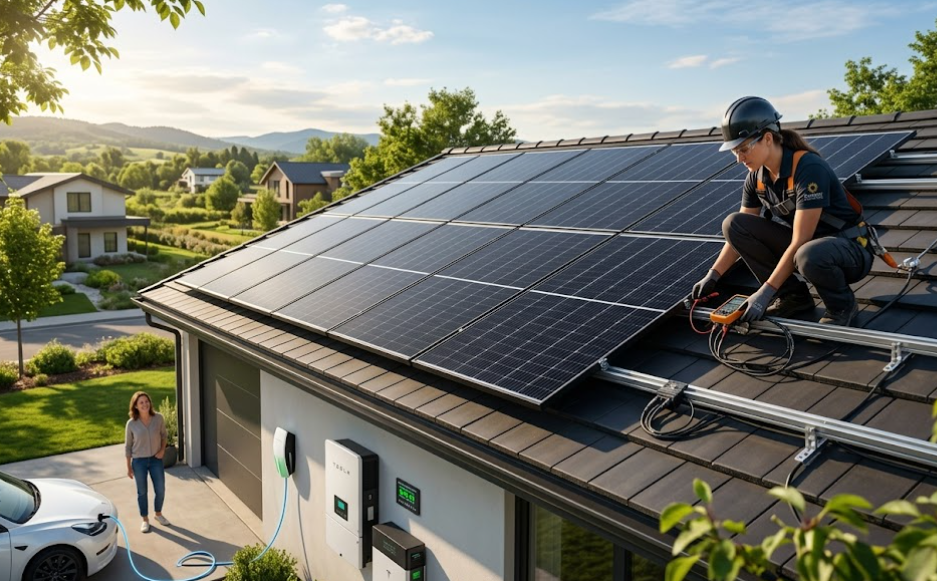
Solar energy is becoming a primary energy choice for households and businesses in 2026 due to rising electricity costs and increased demand for reliable power. Modern solar photovoltaic systems offer stable energy production, reduced monthly bills, and long-term financial savings. Solar adoption also supports cleaner energy use and reduces dependence on traditional grids.
Why You Should Opt for Solar Energy in 2026
Solar energy directly addresses high electricity costs, unstable grid supply, and long-term energy insecurity. Solar photovoltaic systems convert sunlight into usable electricity and reduce dependency on utility providers. In 2026, improved solar panel efficiency and better battery storage make solar power more reliable for residential and commercial users. Solar adoption also improves financial planning because energy costs become predictable over time.
Rising Electricity Costs and Solar Savings
Electricity prices continue to increase in many regions due to fuel costs and infrastructure pressure. Solar energy reduces exposure to these rising costs by generating electricity directly from sunlight.
Solar photovoltaic systems lower monthly utility bills by offsetting grid consumption. In many cases, households reduce electricity expenses by 40 percent to 80 percent depending on system size and sunlight exposure.
Solar savings accumulate over time. A well-designed system typically reaches payback within 3 to 7 years. After this period, electricity generation becomes nearly free except for minimal maintenance costs.
Energy Independence and Grid Stability
Energy independence is a major advantage of solar energy systems in 2026. Solar panels combined with lithium-ion battery storage allow users to store excess energy for nighttime or cloudy conditions.
This reduces dependency on unstable electricity grids. In regions with frequent power outages, solar systems provide continuous backup power.
Solar energy also reduces pressure on national grids. Distributed solar generation improves overall system stability and reduces transmission losses.
Environmental Benefits of Solar Power
Solar energy significantly reduces carbon emissions compared to fossil fuel-based electricity generation. Solar photovoltaic systems produce electricity without burning coal, oil, or natural gas.
This reduction in greenhouse gas emissions contributes to improved air quality. It also supports global climate goals by reducing the environmental impact of energy consumption.
Solar power systems also reduce water usage because they do not require water-intensive cooling processes used in thermal power plants.
Solar Technology Advancements in 2026
Solar technology in 2026 is more efficient and cost-effective compared to previous years. Modern solar panels offer higher energy conversion rates, often exceeding 22 percent efficiency in commercial models.
Bifacial solar panels capture sunlight from both sides, increasing total energy output. This improves performance in reflective environments such as rooftops with light-colored surfaces.
Battery storage technology has also improved. Lithium-ion batteries now provide longer lifespans, faster charging, and higher storage capacity. This allows solar systems to deliver consistent power even during nighttime hours.
Smart inverters and monitoring systems provide real-time energy tracking. Users can optimize consumption patterns based on energy production data.
Installation Process and System Types
Solar installation begins with energy assessment. A professional evaluates electricity consumption patterns and available roof space.
There are three primary system types. Grid-tied systems connect to the utility grid and allow excess energy to be exported. Off-grid systems operate independently with battery storage. Hybrid systems combine both features for maximum flexibility.
Solar panel installation typically takes 1 to 3 days depending on system size. Proper positioning and angle optimization ensure maximum sunlight absorption throughout the year.
Roof-mounted systems are most common for residential use. Ground-mounted systems are used in large properties where roof space is limited.
Financial Incentives and Payback Periods
Financial incentives make solar energy more accessible in 2026. Many regions offer tax credits, rebates, and net metering programs.
Net metering allows users to sell excess electricity back to the grid. This reduces payback time and increases long-term profitability.
Initial installation costs vary depending on system size, but prices have decreased significantly over the past decade due to mass production and improved manufacturing processes.
Return on investment is typically strong. Most systems recover initial costs within a few years and continue generating savings for 20 to 25 years.
Maintenance and Long-Term Performance
Solar energy systems require minimal maintenance compared to other energy systems. Regular cleaning of panels improves efficiency by removing dust and debris.
Inverters may require replacement after 10 to 15 years depending on usage. Solar panels themselves often last 25 to 30 years with gradual efficiency decline.
Performance monitoring systems help detect issues early. This ensures consistent energy production and reduces downtime.
Proper installation and periodic inspection improve long-term system reliability and output efficiency.
FAQ
How long do solar panels last in 2026
Solar panels typically last between 25 and 30 years with gradual efficiency reduction over time.
Do solar panels work during cloudy weather
Solar panels still generate electricity during cloudy conditions but at reduced efficiency levels.
What is the average payback period for solar systems
Most solar systems recover installation costs within 3 to 7 years depending on usage and location.
Can solar energy fully power a home
A properly sized solar system with battery storage can fully power a home in many regions.
Are solar panels expensive to maintain
Solar panels require low maintenance and usually only need periodic cleaning and occasional inspection.
Solar energy adoption in 2026 represents a practical shift toward cost control, energy independence, and environmental responsibility. Modern systems offer higher efficiency, improved storage, and reliable long-term performance. Households and businesses benefit from reduced electricity expenses and stable energy access over extended periods.