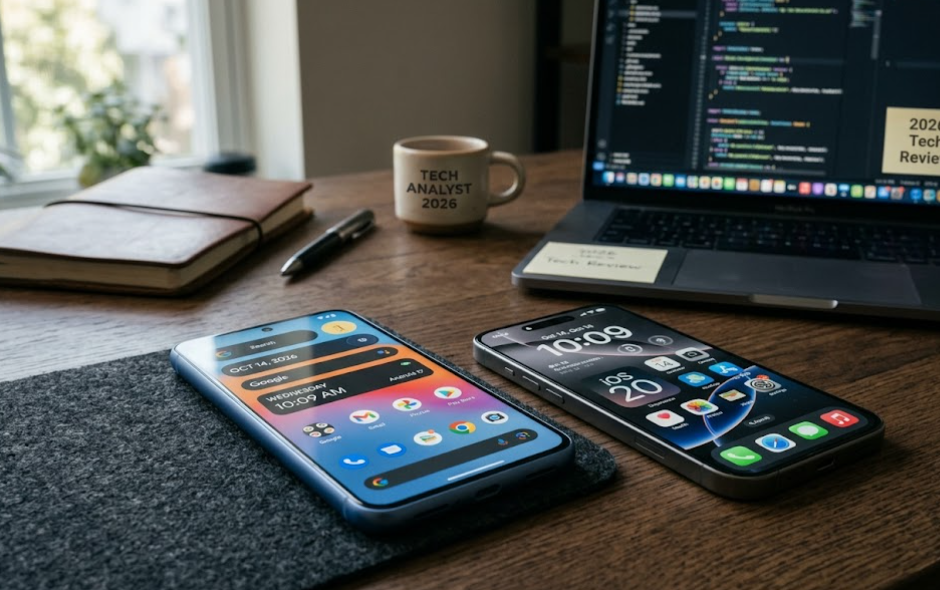
Choosing between Android and iOS in 2026 depends on user priorities, budget, and ecosystem needs. Both platforms offer strong performance, security, and app support. Android provides flexibility and device variety. iOS delivers stability and seamless integration. This guide explains differences clearly to help you select the right mobile operating system.
Android Vs iOS: What You Should Opt for in 2026
The right choice depends on your usage pattern, budget range, and ecosystem preference. Android is the better option for users who want customization, device variety, and flexible pricing. iOS is the better option for users who want long-term updates, high security standards, and seamless integration with Apple devices. If you prioritize control and affordability, Android fits better. If you prioritize stability and performance consistency, iOS fits better.
Both systems are mature in 2026. The decision is not about quality alone. It is about alignment with user needs and lifestyle.
Key Differences Between Android and iOS in 2026
Android and iOS differ in architecture, customization level, and hardware ecosystem. These differences shape user experience across devices and price segments.
Operating System Control and Customization
Android provides extensive control over system appearance and behavior. Users can change launchers, widgets, and default applications. Android also supports third-party app stores in many regions.
iOS limits customization to maintain system consistency. Users receive a controlled interface with fewer modifications. This design improves stability and reduces system fragmentation.
Device Availability and Choice
Android operates across multiple manufacturers. Brands include Samsung, Xiaomi, OnePlus, and Google Pixel. This creates a wide range of devices across all price levels.
iOS runs only on Apple devices such as iPhone models. This results in a limited but highly optimized hardware ecosystem.
Software Updates and Longevity
iOS provides consistent updates across supported devices for many years. Apple controls both hardware and software integration.
Android updates depend on manufacturers and device tiers. Premium Android devices receive longer support cycles compared to budget models.
Performance and Hardware in 2026
Performance is a major factor in mobile selection. Both Android and iOS deliver high-speed processing in 2026.
Processor Efficiency
iOS devices use Apple-designed chips optimized for performance and energy efficiency. These chips deliver strong performance in gaming, video editing, and AI tasks.
Android devices use processors from multiple vendors such as Qualcomm and MediaTek. Performance varies by device category and price level.
Battery Optimization
iOS uses strict background process management. This improves battery efficiency in daily use.
Android offers adjustable battery modes and optimization tools. High-end Android devices now provide competitive battery life.
Gaming and Graphics Performance
iOS delivers stable frame rates due to hardware and software integration. Many developers optimize games specifically for Apple chips.
Android supports a wider variety of gaming devices, including high-refresh-rate screens and gaming-focused phones.
Security and Privacy Features
Security is a critical consideration in 2026 due to increasing digital threats.
Data Protection Standards
iOS applies strict app permission rules. Apps require explicit user approval for tracking and data access.
Android has improved security significantly with modern updates. Google Play Protect scans apps for malicious behavior.
App Store Regulation
Apple App Store maintains strict app review policies. This reduces the risk of malicious applications.
Google Play Store allows more flexible publishing. This increases variety but requires user caution.
Privacy Controls
iOS provides centralized privacy dashboards. Users can track app activity and data usage easily.
Android offers detailed permission controls. Users can customize app-level access settings individually.
Ecosystem and Device Integration
Ecosystem strength plays a major role in user satisfaction.
Apple Ecosystem Integration
iOS connects seamlessly with MacBook, iPad, Apple Watch, and AirPods. Features like AirDrop and iCloud improve productivity and synchronization.
Apple ecosystem integration reduces setup complexity and improves continuity across devices.
Android Ecosystem Flexibility
Android integrates with a wider range of devices and platforms. It supports Windows PCs, smart TVs, and IoT devices.
Google services such as Drive, Photos, and Gmail create a strong cross-platform ecosystem.
Cross-Device Productivity
iOS provides smoother continuity features between Apple devices. Users can switch tasks across devices without interruption.
Android provides flexibility across brands but may require manual configuration for synchronization.
Pricing and Value Comparison
Cost differences remain a major factor in 2026.
Android Pricing Range
Android devices range from budget models to premium flagship phones. This makes Android accessible to a wider audience.
Users can choose based on required specifications and financial limits.
iOS Pricing Structure
iOS devices generally fall into the premium category. Apple maintains consistent pricing across new releases.
This positions iOS as a long-term investment rather than a budget option.
Value Over Time
iOS devices retain value longer due to extended software support.
Android devices provide value through variety and competitive pricing at entry levels.
User Experience and Interface Design
User experience differs significantly between Android and iOS.
Interface Consistency
iOS provides a uniform interface across all devices. This improves predictability and ease of use.
Android interfaces vary by manufacturer. Samsung, Google, and Xiaomi each apply custom skins.
Learning Curve
iOS has a simplified navigation structure. It is easier for first-time smartphone users.
Android offers more options, which increases learning complexity but improves control.
Personalization Depth
Android supports deep personalization of home screens and system behavior.
iOS allows limited personalization focused on visual layout and widgets.
App Availability and Quality
App ecosystems are strong on both platforms.
App Development Priority
Most developers release apps on both Android and iOS. However, some premium apps launch earlier on iOS.
iOS often receives optimized versions of high-end applications.
App Variety
Android offers a larger variety of applications due to open publishing systems.
iOS focuses on curated quality control and stability.
Updates and Maintenance
iOS apps often receive faster optimization updates.
Android apps vary in update speed depending on developer support.
Frequently Asked Questions
Which is safer in 2026, Android or iOS?
iOS provides stricter app control and uniform security updates across devices.
Which platform is better for gaming performance?
iOS offers stable optimization while Android provides wider gaming hardware choices.
Can Android match iOS in long-term updates?
Premium Android devices now offer extended updates, but iOS still leads in consistency.
Which system is better for customization?
Android offers deeper system-level customization than iOS.
Which is more budget friendly?
Android provides more affordable device options across multiple price ranges.
Conclusion
Android and iOS both deliver strong performance and reliability in 2026. Android focuses on flexibility, affordability, and device diversity. iOS focuses on stability, ecosystem integration, and long-term support. The correct choice depends on user priorities, usage habits, and ecosystem alignment. Both platforms remain advanced solutions for modern smartphone requirements.