Gluten free pasta is a practical alternative for people who avoid wheat due to gluten sensitivity, celiac disease, or dietary preference. It can be made at home using simple ingredients and basic kitchen tools. The process focuses on structure, hydration, and proper cooking techniques for consistent texture and taste.
Gluten-Free Pasta Recipe
Gluten free pasta requires a balance of gluten free flour, binding agents, and moisture to create a workable dough. The key solution is combining rice flour, tapioca starch, and eggs or a vegan binder to form elasticity. Proper kneading and resting improve texture and prevent breaking during cooking.
Ingredients for Gluten Free Pasta Dough
Gluten free pasta dough depends on carefully selected ingredients that replace wheat gluten functionality. Each ingredient plays a specific structural role.
- 1 cup rice flour
- 1 cup tapioca starch
- 2 large eggs or flax egg substitute
- 1 tablespoon olive oil
- 1 teaspoon salt
- 2 to 4 tablespoons water as needed
Rice flour provides structure. Tapioca starch improves elasticity. Eggs or flax bind the dough. Olive oil improves softness. Salt enhances flavor balance.
Step-by-Step Gluten Free Pasta Preparation
Gluten free pasta preparation requires controlled mixing and resting to build dough strength. The process avoids overhydration or dryness.
- Combine rice flour, tapioca starch, and salt in a mixing bowl.
- Add eggs and olive oil slowly into the dry mixture.
- Mix until the dough begins to form small clumps.
- Add water gradually until a firm dough develops.
- Knead the dough for 8 to 10 minutes until smooth.
- Wrap the dough and rest it for 30 minutes at room temperature.
- Roll the dough into thin sheets using a rolling pin or pasta machine.
- Cut into desired shapes such as fettuccine or spaghetti.
- Cook in boiling salted water for 3 to 5 minutes.
Resting improves hydration balance. Rolling thin ensures even cooking. Short boiling time prevents breakdown.
Gluten Free Pasta Dough Variations
Gluten free pasta dough can be adjusted based on dietary requirements and texture preference. Each variation changes elasticity and flavor.
Egg-Based Gluten Free Pasta Dough
Egg-based dough improves elasticity and binding strength. It is suitable for rich pasta dishes. It produces a firmer bite after cooking.
Vegan Gluten Free Pasta Dough
Vegan dough replaces eggs with flaxseed gel or chia seed gel. This version is softer and slightly more delicate. Extra starch improves binding strength.
High-Protein Gluten Free Pasta Dough
High-protein dough includes chickpea flour or lentil flour. This increases nutritional value. It also creates a denser texture suitable for hearty sauces.
Cooking Techniques for Gluten Free Pasta
Cooking gluten free pasta requires attention to water ratio and timing. Overcooking leads to mushy texture.
Boil a large pot of water. Add salt to enhance flavor. Stir pasta immediately after adding to prevent sticking. Maintain moderate heat during boiling. Taste test after 3 minutes. Drain immediately when texture becomes tender but firm.
Rinsing is optional. Rinsing reduces starch but may reduce sauce adhesion. Oil coating is not required if sauce is added quickly.
Best Sauces for Gluten Free Pasta
Gluten free pasta pairs well with sauces that enhance texture and flavor balance. Sauce choice affects overall meal quality.
Tomato-Based Sauces
Tomato sauces provide acidity and moisture balance. They work well with rice flour pasta. They enhance mild flavor profiles.
Cream-Based Sauces
Cream-based sauces add richness and smooth texture. They complement egg-based gluten free pasta. They improve mouthfeel and density.
Oil-Based Sauces
Oil-based sauces maintain light texture. Garlic and olive oil combinations enhance natural pasta flavor. They are suitable for quick meals.
Protein-Rich Sauces
Protein sauces include chicken, beef, or legumes. They increase meal satisfaction. They pair well with chickpea pasta.
Storage and Meal Preparation Tips
Gluten free pasta storage requires moisture control to prevent dryness. Fresh pasta behaves differently from dried pasta.
Fresh dough can be refrigerated for up to 48 hours. It must be wrapped tightly to prevent drying. Cooked pasta should be stored separately from sauce. Refrigerated cooked pasta lasts 3 days.
Frozen gluten free pasta is possible. Freeze raw cut pasta on a tray before storing in bags. Cook directly from frozen without thawing.
Common Mistakes in Gluten Free Pasta Making
Gluten free pasta preparation has specific technical challenges. Avoiding common mistakes improves final texture.
Using too much flour creates dry dough. Skipping resting reduces elasticity. Overcooking destroys structure. Thin rolling without support leads to tearing. Incorrect starch ratio affects binding quality.
Proper measurement and controlled hydration improve consistency.
Nutritional Benefits of Gluten Free Pasta
Gluten free pasta provides alternative nutrition profiles based on flour selection. It supports varied dietary needs.
Rice flour pasta is low in fat and easy to digest. Chickpea flour pasta provides higher protein content. Tapioca starch adds quick energy carbohydrates. Combined flours create balanced macronutrients.
Gluten free pasta supports energy intake without gluten exposure. It fits structured dietary plans.
Equipment Needed for Gluten Free Pasta
Proper equipment improves consistency and reduces preparation difficulty. Basic tools are sufficient.
- Mixing bowl
- Rolling pin or pasta machine
- Sharp knife or pasta cutter
- Large cooking pot
- Strainer or colander
Pasta machine improves uniform thickness. Knife cutting works for rustic styles. Consistency depends on even rolling.
Serving Suggestions for Gluten Free Pasta
Gluten free pasta serves well in both simple and complex meals. Presentation enhances meal appeal.
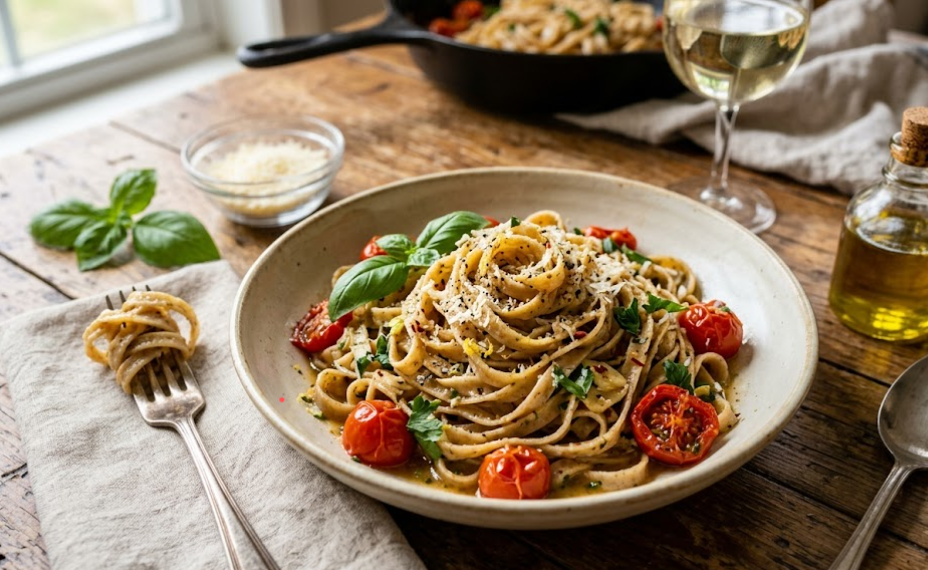
Serve immediately after cooking for best texture. Add sauce while pasta is hot. Use fresh herbs for flavor enhancement. Add grated cheese for extra richness. Pair with vegetables for balanced nutrition.
Gluten Free Pasta Recipe FAQ
Can gluten free pasta be made without eggs
Yes. Egg substitutes like flaxseed gel or chia gel work effectively in dough preparation.
Why does gluten free pasta break easily
It breaks due to lack of gluten structure. Proper starch balance and resting reduce this issue.
Can gluten free pasta be dried for storage
Yes. Air drying is possible when pasta is cut evenly and moisture is controlled.
What flour works best for gluten free pasta
Rice flour and tapioca starch combination provides the most stable texture for most recipes.
How long does gluten free pasta take to cook
It typically cooks within 3 to 5 minutes depending on thickness.
Gluten free pasta preparation requires precision in ingredient balance and cooking timing. The process focuses on structure development without gluten. Proper technique ensures stable texture and reliable results across different recipes and dietary needs.